
The Complete Guide to Pre-Purchase Used Truck Inspections in Memphis, TN
Buying a used commercial truck in Memphis? A clean exterior and low mileage won't tell the whole story. Discover what a thorough pre-purchase inspection checks, how to spot costly mechanical problems, and what to verify before putting your next truck to work.
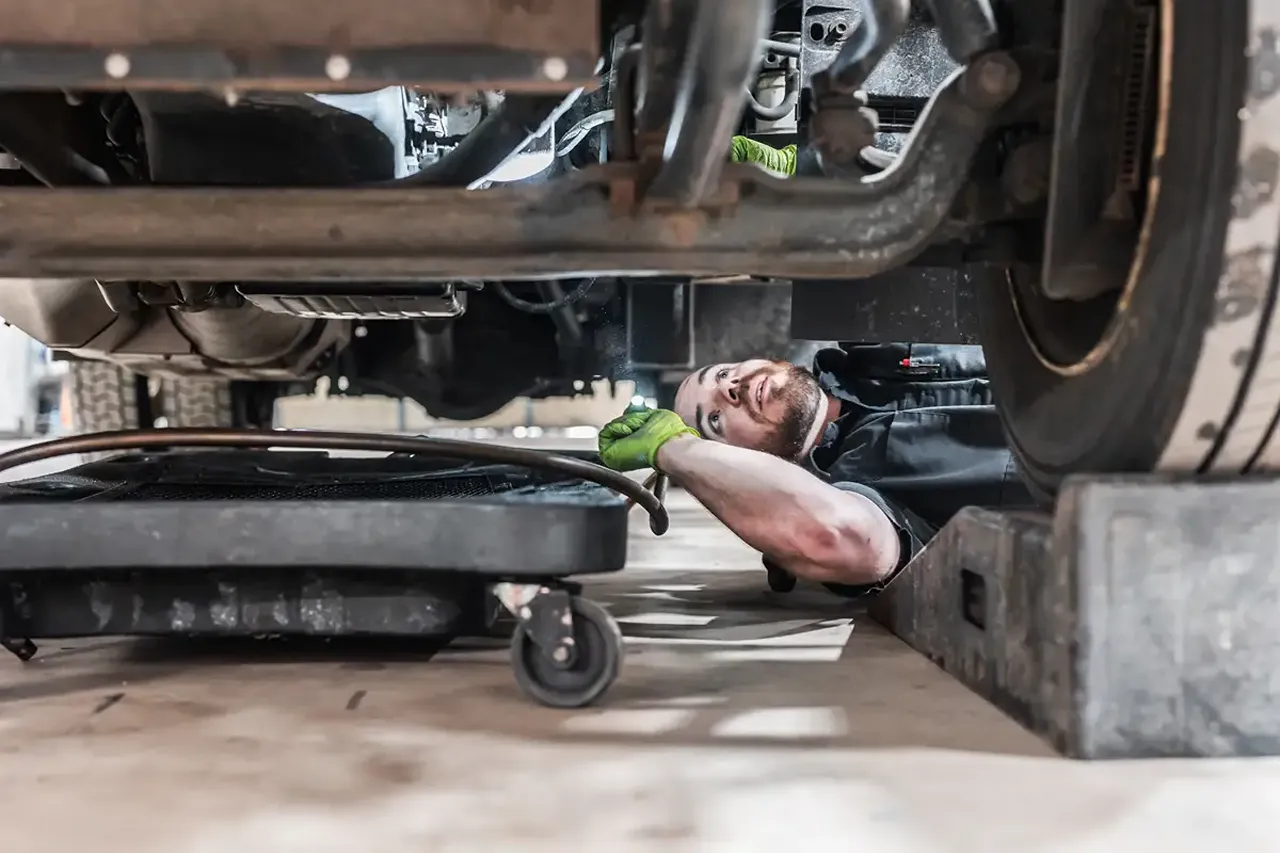
A used sleeper tractor might look ready for I-40, while a day cab with similar mileage could be hiding years of heavy idling and stop-and-go work. The difference isn't always visible during a test drive. A pre-purchase truck inspection can rely on helps uncover mechanical concerns, maintenance gaps, and potential repair costs before money changes hands.
Why Is a Pre-Purchase Truck Inspection Important in Memphis?
Memphis is a major freight hub where commercial trucks handle everything from interstate hauling to container movements and local deliveries. These different operations place different demands on engines, transmissions, brakes, and suspension systems.
A sleeper tractor running I-40 and I-55 may accumulate substantial highway mileage, while a day cab serving the BNSF Memphis Intermodal Facility on Lamar Avenue may experience more frequent stops, maneuvering, and idling.
That's why a commercial truck pre-purchase inspection should consider how the vehicle was operated, not just its age or odometer reading.
An independent inspection gives you a clearer picture of the truck's condition and whether it suits your intended work.
What Should a Used Commercial Truck Inspection Cover?
A comprehensive used semi-truck inspection Memphis buyers arrange should examine the major mechanical and safety systems, along with maintenance records and available electronic diagnostics.
The following areas deserve particular attention.
1. Diesel Engine Condition and Cooling System
Your engine is one of the most expensive components to repair or replace. Even a truck that starts easily can have problems developing beneath the surface.
During a diesel truck inspection, Memphis technicians should check for:
- Oil, coolant, and fuel leaks.
- Unusual engine noises, smoke, or vibration.
- Excessive crankcase pressure or blow-by concerns.
- Coolant contamination, deteriorated hoses, and radiator damage.
- Evidence of overheating or poor maintenance.
- Active and stored diagnostic trouble codes.
A technician should also evaluate engine performance under appropriate operating conditions.
Diesel engine diagnostics can reveal electronic faults, but a clean fault-code report doesn't guarantee a healthy engine. Physical inspection, maintenance records, and an authorized road test provide essential additional evidence.
2. Engine Hours, Mileage, and Maintenance Records
Here's something that catches buyers off guard: Low mileage doesn't necessarily mean low engine wear.
Consider a day cab previously operating around the Lamar Avenue industrial corridor. Repeated container pickups, waiting periods, and short trips may produce substantial engine hours without adding comparable highway mileage.
When performing a used day cab inspection, the technician should compare electronic engine hours, odometer readings, and available service records.
Ask the seller for documentation of oil changes, cooling system service, transmission maintenance, and previous major repairs.
Missing records don't automatically make a truck a bad purchase. However, unexplained discrepancies deserve further investigation before you agree to the asking price.
3. Transmission and Drivetrain Condition
Your truck's transmission transfers engine power through the driveline to the drive axles. Problems here can leave you facing expensive repairs shortly after purchase.
A heavy-duty drivetrain inspection should evaluate shift quality, transmission fluid or lubricant condition, clutch operation where applicable, driveshafts, universal joints, and differential condition.
Pay attention to delayed gear engagement, unusual vibrations, grinding, or whining noises.
Automated manual transmissions also require an assessment of electronic faults and shifting behavior.
When safe and authorized, a road test helps identify problems that may not appear while the truck is parked.
4. Emissions and Aftertreatment Systems
Modern diesel trucks rely on emissions equipment that can become expensive to troubleshoot when problems develop.
A diesel aftertreatment system inspection should evaluate the diesel particulate filter (DPF), selective catalytic reduction (SCR) system, diesel exhaust fluid (DEF) components, and related diagnostic information.
Ask about recurring regeneration problems, emissions-related repairs, and previous engine derates.
Technicians should also check for evidence of improper emissions-system modifications.
A truck with unresolved aftertreatment faults could require additional repairs before it can operate reliably and legally.
5. Brakes, Tires, Steering, and Suspension
Safety-related problems deserve immediate attention, regardless of how attractive the purchase price looks.
A thorough commercial truck brake inspection should assess air-system leaks, brake components, adjustment and pushrod travel where applicable, and overall braking performance.
The technician should also evaluate:
- Steering linkage, excessive play, and worn components.
- Tire tread, sidewall damage, and irregular wear.
- Suspension bushings, leaf springs, air bags, and shock absorbers.
- Wheel-end components and signs of bearing problems.
- Air lines, mounting hardware, and visible structural damage.
Irregular tire wear can indicate alignment, steering, or suspension problems that warrant further diagnosis.
For trucks handling frequent deliveries along I-240 or operating in regional distribution, these systems deserve careful evaluation because of the vehicle's working demands.
6. Frame, Cab, and Cargo Equipment
Don't overlook the truck's structure while concentrating on the engine.
An independent truck inspection should check the frame for cracks, corrosion, damaged crossmembers, questionable repairs, and signs of previous collision damage.
Cab mounts, doors, lighting, electrical equipment, and visible wiring also deserve attention.
For used box trucks, inspect the cargo body, flooring, rear doors, and liftgate where equipped.
A truck with an otherwise sound powertrain may still need substantial body or structural repairs before entering service.
Is a Current DOT Inspection Enough Before Buying a Used Truck?
No. A current DOT periodic inspection establishes that a covered commercial vehicle passed applicable minimum safety inspection requirements at the time of inspection. It doesn't provide a complete assessment of engine condition or future repair costs.
Under 49 CFR 396.17, covered commercial vehicles generally must pass a qualifying periodic inspection at least once every 12 months.
A DOT annual inspection and a pre-purchase mechanical evaluation serve different purposes. Buyers should verify both rather than assuming one replaces the other.
Before purchasing a truck in Memphis, also verify its vehicle identification number (VIN), title status, ownership, liens, and any title branding.
Tennessee vehicle titling takes place through the appropriate county clerk, including the Shelby County Clerk for eligible local transactions. An odometer disclosure may also be required, depending on applicable exemptions.
Registration, insurance, and operating-authority requirements should be addressed separately before the vehicle enters commercial service.
How Should You Evaluate a Pre-Purchase Inspection Report?
A good inspection report helps you decide whether to buy the truck, negotiate a different price, or walk away.
Rather than treating every finding equally, organize the results into three categories:
- Immediate safety repairs: Problems that must be corrected before the truck can operate safely or legally.
- Near-term mechanical repairs: Confirmed defects or deteriorating components that could create downtime.
- Routine maintenance: Scheduled servicing, fluid changes, and other predictable expenses.
Request written repair estimates where practical, and distinguish confirmed defects from concerns requiring additional testing.
Then calculate your actual acquisition cost.
For example, a truck priced at $42,000 that needs $6,000 in repairs and $2,000 in immediate servicing will cost at least $50,000 before taxes and other ownership expenses.
That figure may change how attractive the deal looks.
A pre-purchase diesel truck inspection also provides value when technicians find no major problems. Documented findings can support your maintenance planning and help establish a baseline for future service.
When Should Memphis Buyers Schedule Their Inspection?
Schedule your inspection before committing to the purchase, ideally while your agreement still allows you to decline the truck based on its condition.
If you're purchasing during October for late-year freight assignments, allow time to address battery, cooling system, brake, and tire concerns before cooler weather arrives.
Have the seller provide access to the truck, maintenance records, and permission for diagnostic testing and a road test.
For buyers across Shelby County and the Mid-South, planning ahead can prevent a rushed decision that puts a poorly maintained truck into service.
Schedule Your Pre-Purchase Truck Inspection in Memphis, TN
A used commercial truck can be a worthwhile investment, but only when you understand its condition and likely repair costs. Engine diagnostics, drivetrain checks, safety inspections, and service-history reviews help reduce uncertainty before you buy.
Contact our team at TCB at 901-410-8946 to discuss a pre-purchase truck inspection in Memphis, TN, and confirm inspection availability and scope before finalizing your next commercial truck purchase.
FAQs
Is a DOT inspection enough before buying a used semi-truck?
No. A DOT periodic inspection checks applicable safety requirements, while a pre-purchase inspection evaluates broader mechanical condition, maintenance history, and potential repair expenses.
What matters more on a used day cab: mileage or engine hours?
Both matter. Engine hours can reveal substantial idling or low-speed operation that mileage alone doesn't show. Comparing these figures with maintenance records provides better context.
Can a pre-purchase inspection identify expensive engine problems?
Yes, an inspection can uncover warning signs such as leaks, abnormal noises, cooling problems, and diagnostic faults. However, some internal engine problems require further testing, and no inspection guarantees future reliability.
Should an independent technician inspect a used commercial truck?
Yes. An independent technician can provide an assessment that isn't solely based on the seller's description. A documented evaluation helps you assess risk, estimate repairs, and make a more informed purchase decision.
How much does a pre-purchase truck inspection cost in Memphis?
Pricing depends on the truck, inspection scope, diagnostic testing, travel requirements, and whether a road test is included. Request a written quote that identifies which mechanical and safety systems will be evaluated.
More Articles
Prepare Your Dynasys APU for Cooler Overnight Stops on I-40 and I-55
After a Busy Memphis Summer, Inspect These Truck Suspension Components for Wear

How Mobile Truck Repair Helps During Summer Breakdown Season
Contact Us
Get in touch with TCB Truck Service today to schedule service in-shop in Memphis, Tennessee, or via mobile service within 150 miles, including service to northern Mississippi & eastern Arkansas.
We're open Monday through Friday, from 7:00am to 4:00pm.
Our Hours
